When No is the Right Answer: Declining a Volunteer
One of the most frequent questions we hear from leaders of volunteers is how to decline a volunteer professionally and with kindness and we are...

7 min read
Timothy Sarazen
Mar 26, 2025 5:29:29 PM
Volunteers are critical to many organizations’ ability to further their missions, but attracting dedicated volunteers can be tricky. Although more than 70% of nonprofits recruit volunteers year-round, 26% of volunteer coordinators cite recruitment as their biggest management challenge. Given these numbers, it’s clear that the issue isn’t the amount of time and effort spent on volunteer recruitment—rather, it’s that organizations need to take a more strategic approach to this process.
In this guide, we’ll cover the essentials of volunteer recruitment, including:
Along the way, we’ll share examples from real-world organizations to show how well-executed volunteer recruitment plans can yield tangible results. Let’s get started!
Volunteer recruitment is the process of attracting and signing up supporters to contribute their time and skills to your organization’s mission. It involves identifying volunteer needs, connecting the right people to the right roles, and ensuring each volunteer understands and cares about the cause they’re supporting. Recruitment is your best chance to make a positive first impression that motivates volunteers to continue serving long-term.
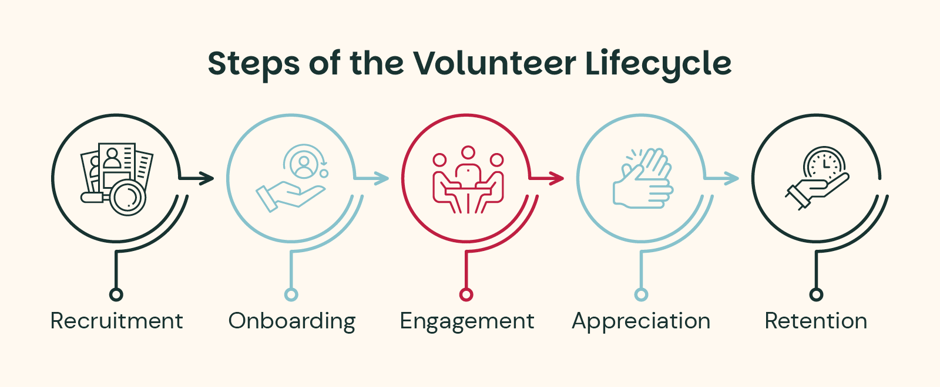
Recruitment is the first step in the volunteer management lifecycle, which is essentially a roadmap of all of the stages a volunteer goes through in their journey with your organization. The other stages include:

Recruitment lays the foundation for every volunteer’s experience in your program, which is why the Better Impact team believes retention begins at recruitment. Keep this entire lifecycle in mind as you plan your strategy for attracting new volunteers.
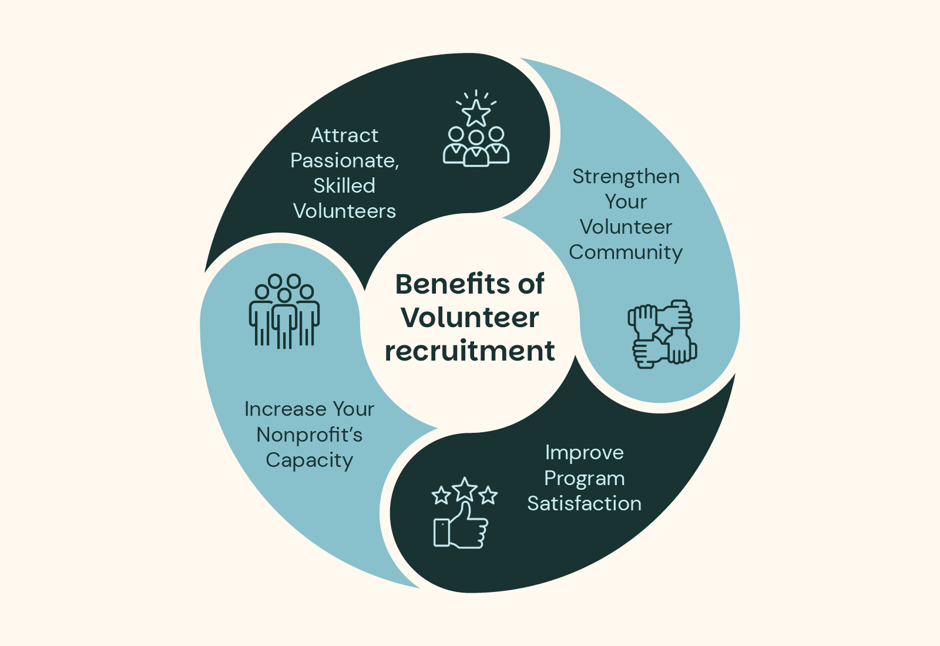
A well-structured recruitment plan can provide multiple advantages to your volunteer program, including helping you:

Despite these benefits, volunteer recruitment can feel overwhelming, with many volunteer managers sinking significant time into it and getting few responses. One possible reason for this is that the nonprofit sector has become more competitive, and volunteers only have so much time to give to a plethora of potential organizations. Furthermore, today’s volunteers expect a positive, streamlined experience from start to finish, and even small disruptions in recruitment processes can turn them away—which is why a clear, well-executed plan is so critical.
Now that we’ve reviewed the basics, let’s dive into some essential strategies to boost volunteer recruitment.

A clear, engaging, and user-friendly volunteer page directly influences whether a website visitor follows through to apply. If your nonprofit’s website doesn’t already have a volunteer page, the best time to create one is now! If it already does, review the page to determine how you can improve engagement with it
Here are some key elements to include on this page:
It’s also helpful to add photos or short videos of volunteers in action—many prospective volunteers want a quick peek at what their experience might look like. Make sure to obtain permission from volunteers featured in these images before adding them to your site.
Once potential volunteers decide to move forward, a strong application form can significantly increase the number of completed sign-ups. Here are some tips for creating one.
Case Example: Haven House —a homeless shelter working with over 1,500 volunteers—previously used a basic web form that required manual data entry. Once they streamlined everything into a modern online form tied to a volunteer management system, they cut down on lost or delayed applications and freed up staff time to focus on real engagement.
Volunteers want to understand exactly what they’ll be doing. A well-written volunteer role description functions like a job posting: it clarifies expectations, responsibilities, and goals. When volunteers know what they’re signing up for, they’re more likely to remain committed.
All of your volunteer role descriptions should include the following information:
When each role description is clear and concise, applicants can self-select roles that match their interests and abilities. This saves time on both ends and often leads to higher volunteer satisfaction.
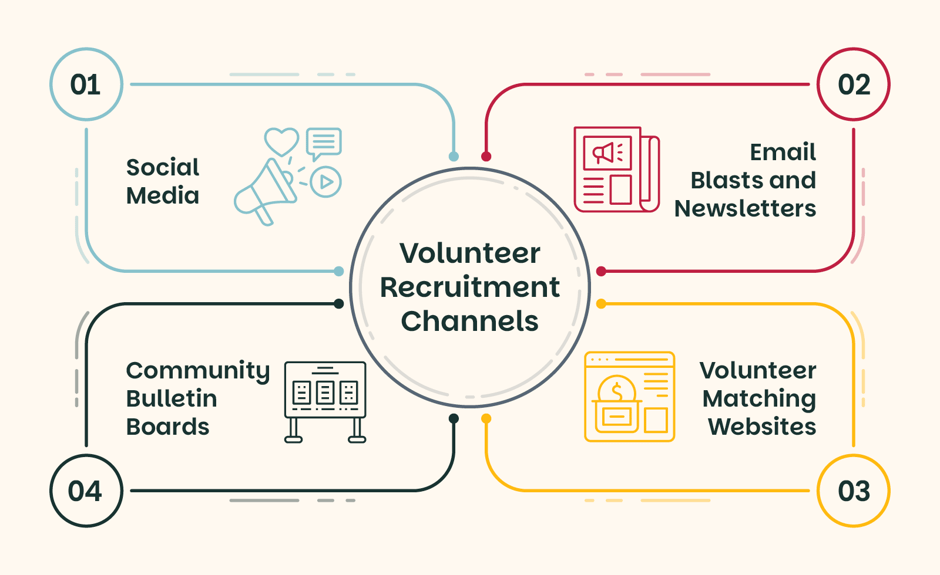
No matter how polished your volunteer page is, you still need to guide people there. Promotion is key—especially in a digital age—so leverage the following platforms to market your volunteer opportunities:

Track where your new recruits come from by asking a question on your application form like “How did you hear about us?” Over time, you’ll see which channels deliver the best results so you can invest more resources there.
Many nonprofits scramble for volunteers only when they’re short on help. A better approach is to treat recruitment like an annual campaign by creating a marketing calendar that includes information about:
Having a calendar helps you stay proactive. Over time, you can measure which months or tactics yield the most applicants and refine your strategy accordingly.
Word-of-mouth recommendations can be more powerful than any paid marketing. When current volunteers enjoy their roles, they’re often happy to share that experience with friends or coworkers.
Here are some ideas to leverage this type of promotion:
Case Example: Jewish Social Service Agency (JSSA) staff freed up time to interact with volunteers one-on-one after adopting volunteer management software. Those deeper relationships led volunteers to spread the word in their own circles—improving recruitment outcomes significantly.
Recruitment can scale rapidly when you partner with businesses, schools, or other nonprofits. By forging “win-win” alliances, you gain new volunteers while partners fulfill their community engagement goals.
Some potential partners your organization might work with include:
Case Example: Operation Kindness set up group volunteer days for local corporate partners, introducing the shelter to hundreds of new prospective volunteers who later signed on individually.
If you’re juggling dozens or hundreds of prospective volunteers, spreadsheets quickly become overwhelming. Volunteer management software centralizes every aspect of the recruitment process, making it easy to post openings, review applications, and communicate at scale.
By leveraging a volunteer management system, your team can access:
Better Impact’s Volunteer Impact solution is a top-of-the-line platform that includes all of these recruitment features and more to help you attract the most passionate, dedicated, and skilled volunteers to your organization. Plus, it includes tools for managing the entire rest of the volunteer lifecycle—from training to recognition and beyond—in a single, integrated system trusted by more than 3,400 nonprofits like yours!
Recruitment is the gateway to a thriving volunteer program. Done well, it leads to a vibrant, skilled, and mission-aligned community of supporters who stick around long-term. By focusing on the above strategies and using the right tools, you can foster a volunteer base that not only meets your organization’s current needs but also helps grow its future impact.
For more information on coordinating volunteer programs, check out these resources:
Featured Posts
One of the most frequent questions we hear from leaders of volunteers is how to decline a volunteer professionally and with kindness and we are...
Recruiting volunteers is a challenging yet essential task for any volunteer-involving organization. As a volunteer manager, you understand the...